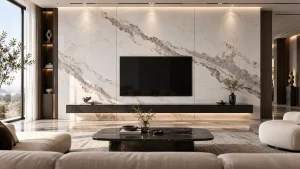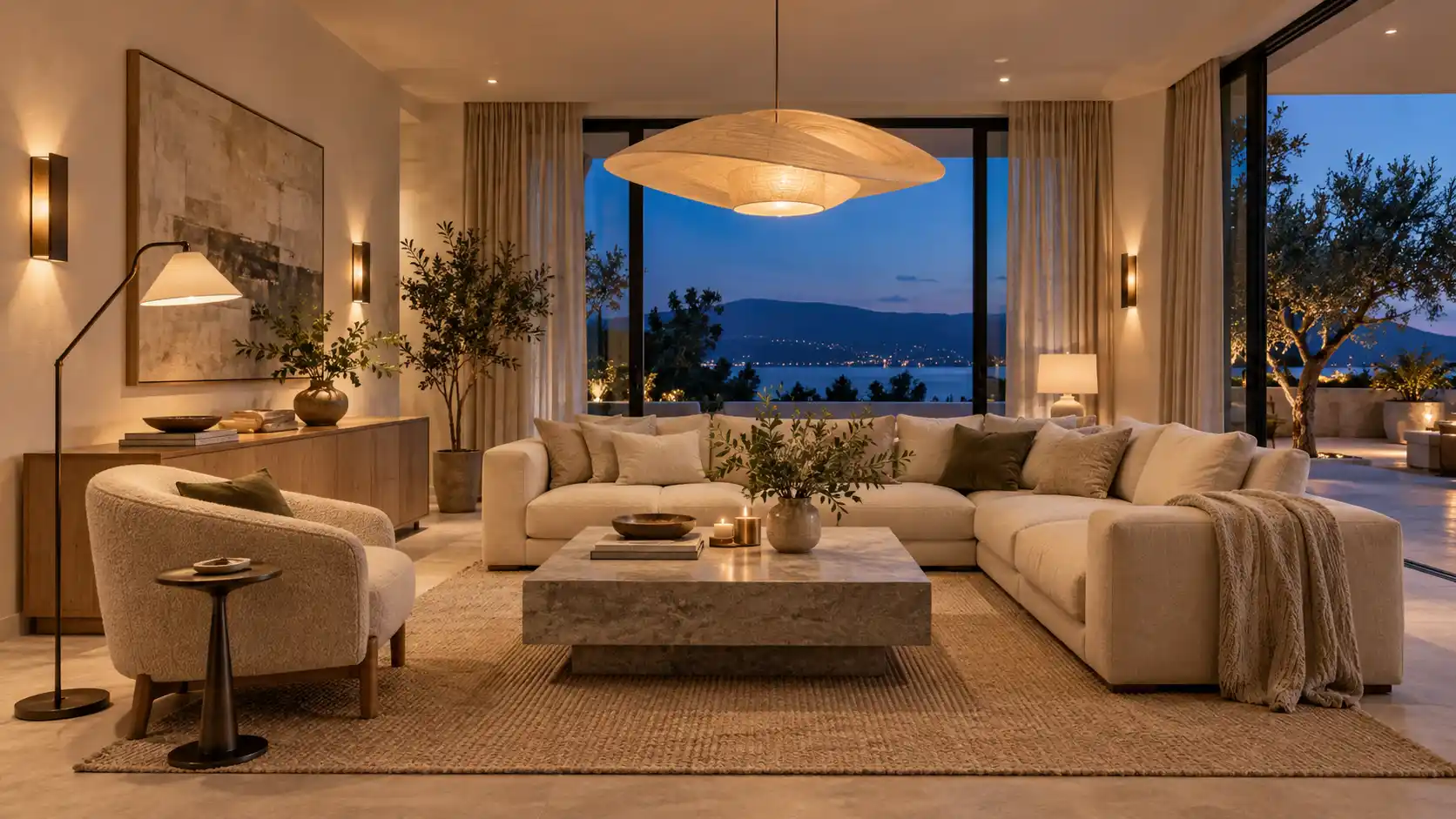
A central ceiling light can give a room a clear visual focus. A design without a dominant central fixture can keep attention on the architecture, furniture, and individual activity areas. Both approaches can create a comfortable home when the lighting suits the way you live.
For your home lighting design, start with room use, furniture placement, ceiling conditions, and budget. You can also combine approaches: use distributed lighting in the living room, a pendant above the dining table, and separate bedside lights in the bedroom.
The right choice is the one that provides useful light where you need it, with controls that make everyday life easier.
Start with How You Use Each Room
Before choosing fixtures, consider what happens in each space after dark. A living room used for reading, entertaining, and watching television needs different lighting combinations throughout the evening.
Make a simple plan that records:
- The activities in each room.
- The positions of sofas, tables, beds, and cabinets.
- Ceiling height, beams, and existing electrical points.
- Decorative fixtures you want to include.
- Your preferred controls and overall budget.
Marking furniture and activities on a floor plan gives you a practical starting point for locating lights.
Compare Main Light and No Main Light Designs
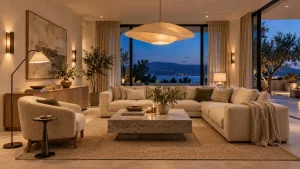
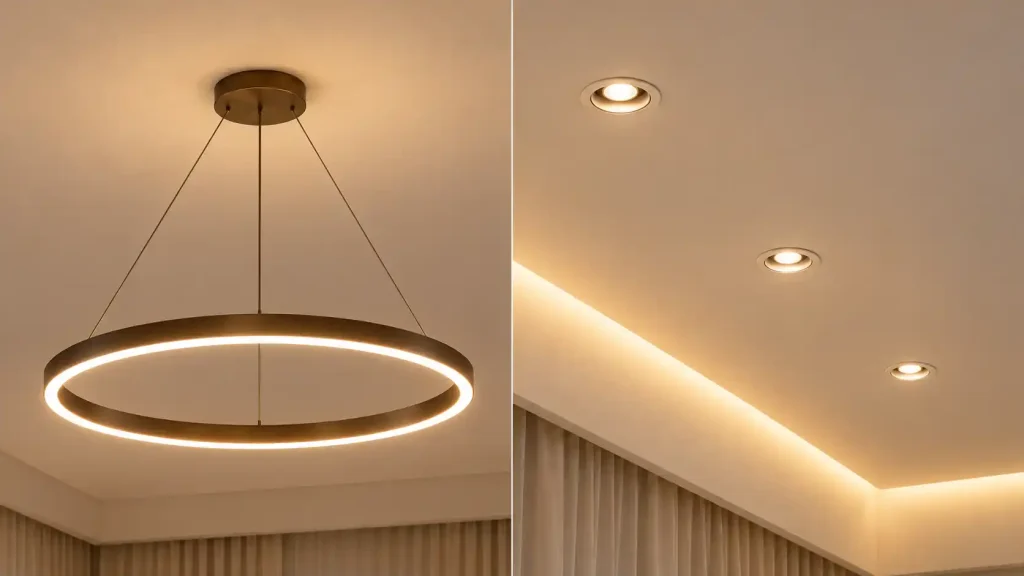
A main light design uses a prominent ceiling fixture, such as a chandelier, pendant, or flush-mount light, as a central feature. Other lights can support reading, cooking, and decorative details.
A no main light design uses several light sources without one dominant central fixture. These may include downlights, track lighting, wall lights, concealed LED strips, and floor lamps.
Both approaches can use layered lighting.
| Consideration | With a main light | Without a main light |
|---|---|---|
| Visual focus | The central fixture can become a decorative feature | Furniture, surfaces, and architecture can receive more attention |
| Lighting arrangement | A central fixture supported by local lighting | Several sources positioned around activity areas |
| Design preference | Suits homeowners who enjoy a statement fixture | Suits those who prefer a less prominent central ceiling feature |
| Planning priorities | Fixture scale, position, and supplementary light | Light distribution, furniture alignment, and control groups |
| Installation | Depends on fixture weight, mounting, and ceiling conditions | Depends on whether fixtures are recessed, surface-mounted, or portable |
| Cost factors | Fixture selection, supporting lights, and installation | Fixture quantities, accessories, wiring, ceiling work, and controls |
Compare the complete proposed arrangement. Either option can leave uncomfortable shadows or dark areas if the supporting lighting is overlooked.
Plan the Lighting Layers
Three lighting layers help organize a room: ambient, task, and accent lighting.
Ambient lighting
Ambient lighting provides general illumination for moving around and using the room. Ceiling fixtures, suitable downlights, or indirect lighting can contribute.
Task lighting
Task lighting supports specific activities. Reading lamps, desk lights, and lighting above kitchen worktops put light where detailed work happens.
Accent lighting
Accent lighting draws attention to artwork, shelving, or architectural features. Add it where there is something you want to highlight.
Give each proposed light a purpose. This helps you identify missing task lighting and avoid adding fixtures that contribute little to daily use.
Choose a Combination for Each Room
Living Room
A chandelier can anchor the seating area, while a floor lamp supports reading and wall lights add another lighting option. Without a central fixture, check that seating, circulation routes, and the general room still receive sufficient light.
Separate lighting groups let you adjust the room for visitors, reading, or a quiet evening.
Dining Room
Position dining lighting around the table’s location and dimensions. In an open-plan interior, a pendant above the dining table can sit comfortably beside a living area without a main light.
Allow for an extending or movable table when considering coverage.
Bedroom
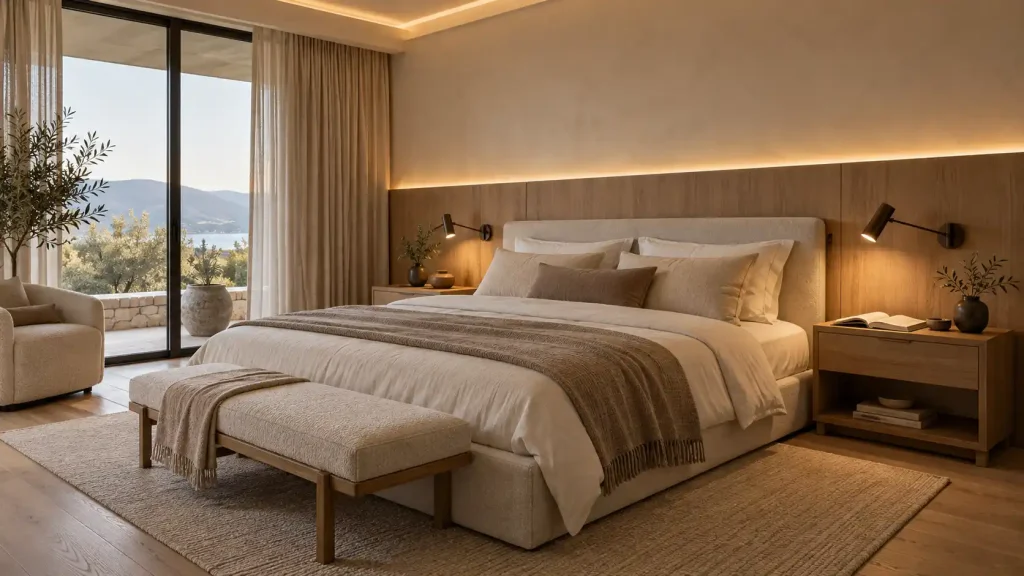
Plan general illumination and bedside reading separately. Check whether a bright light source will be visible when lying down and whether each person can control their own reading light.
A ceiling fixture with bedside lamps and a scheme using indirect lighting can both work.
Kitchen and Bathroom
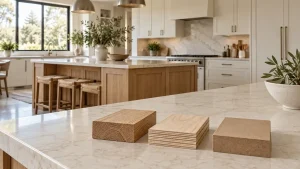
Check the actual work areas. Kitchen lighting should address shadows on preparation surfaces. Bathroom planning should include light at the mirror and fixtures suitable for their installation locations.
Coordinate these lights with cabinetry, mirrors, and equipment.
Coordinate Lights with Furniture
Finalize the main furniture layout before confirming permanent lighting positions.
A pendant may become off-center if the dining table moves. A wall light may be hidden by curtains or cabinetry. A spotlight may create an unwanted reflection on a television or polished surface.
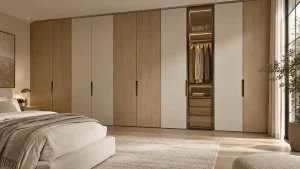
Check fixtures against the furniture plan, including door swings and cabinet openings. For a whole house lighting plan, coordinating furniture, cabinetry, and lighting drawings helps identify these conflicts before installation.
Check Ceiling Height and Installation Conditions
A no main light design does not always require a suspended ceiling. Surface-mounted track lights, wall lights, and portable lamps can form part of the arrangement.
For recessed fixtures, confirm the manufacturer’s requirements for installation depth, openings, clearances, and maintenance access. Coordinate them with beams, ductwork, and other services.
A main fixture also needs the right conditions. Check mounting support and available clearance, particularly for large chandeliers. In double-height spaces, consider how the fixture will be cleaned and serviced.
Compare Brightness, Color, and Visual Comfort
Lighting specifications describe different things:
- Lumens measure light output.
- Watts measure electrical power consumption.
- Color temperature, measured in kelvin, describes whether the light appears warmer or cooler.
Room brightness also depends on light distribution, distance, surface finishes, and room size. A higher wattage alone does not tell you whether a fixture will light the space effectively.
Review sample lights beside your paint, wood, and fabric selections. Color rendering also affects how materials appear.
Check the light from standing, seated, and reclining positions. Shades, shielding, fixture position, and aiming all influence whether a source feels glaring.
Plan Controls and Maintenance Early
Group lights around the way the room is used. General lighting, reading lights, and decorative lighting may need separate control.
For dimming, confirm compatibility between the selected light source or fixture, driver, and dimmer. A “dimmable” label does not establish that every combination will work well together.
Ask whether light sources and drivers can be replaced, how parts are obtained, and how concealed components will be accessed.
Conventional switches can support a useful lighting arrangement. Choose smart controls when their functions suit your household.
Compare the Complete Project Cost
Neither approach is always cheaper. A statement chandelier can account for a large share of the budget, while a distributed arrangement may involve more fixtures, wiring, and installation work.
Ask quotations to identify:
- Fixtures, light sources, drivers, and accessories.
- Track or LED strip components.
- Switching and dimming equipment.
- Wiring, installation, and commissioning.
- Any ceiling modifications.
For overseas procurement, also confirm shipping, electrical specifications, and local installation responsibilities.
Prioritize the lighting needed for everyday activities, then allocate the remaining budget to decorative features.
Avoid Common Lighting Planning Mistakes
- Choosing from photographs alone: Check your own room dimensions, finishes, and installation conditions.
- Fixing light positions too early: Coordinate them with furniture and cabinetry.
- Filling the ceiling with spotlights: Assign each fixture a purpose and review its coverage.
- Relying only on decorative light: Include sufficient general light for everyday activities.
- Putting every light on one switch: Consider useful combinations for different activities.
- Overlooking maintenance: Confirm replacement parts and access before ordering.
Frequently Asked Questions
Is a no main light design suitable for a small home?
It can be. The choice depends on ceiling conditions, furniture, and the proposed fixtures. A simple ceiling light with local lighting can also suit a compact room.
Do I need additional lights if I have a main ceiling light?
Check whether the main fixture adequately serves each activity. Reading areas, worktops, and darker corners may need their own lighting.
Does a no main light design use more electricity?
Not necessarily. Consumption depends on the combined power of the lights actually operating and how long they remain on. Either arrangement can use separate controls to limit unnecessary lighting.
Can I combine both approaches in one home?
Yes. A living room without a central fixture can sit alongside a dining room with a pendant. Coordinated finishes, light color, and room planning help connect the spaces.
Plan Your Home Lighting with George Materials
Lighting works best when considered alongside furniture, cabinetry, and interior finishes.
George Materials provides one-stop building materials and home furnishing solutions. Our team can help coordinate lighting selections with your wider interior scheme, with a project manager following product confirmation and procurement communication.
Planning a new home or renovation? Share your floor plan, ceiling heights, preferred style, and budget to discuss a lighting combination that suits your space.